


Singapore's Sex Crimes
Singapore has signalled it remains open to introducing chemical castration as a tool against sex crimes, though officials stress the evidence backing its effectiveness is not yet conclusive.
Home Affairs Minister K Shanmugam made the remarks in a written parliamentary reply this week, responding to a question from an opposition Member of Parliament on whether the government had reviewed penalties for serious sexual offences against children and young people. He confirmed that pharmacological anti-androgen treatments, commonly referred to as chemical castration, had been evaluated alongside the possibility of a sex offender register.
"We remain open to considering measures including pharmacological anti-androgen treatments, also known as chemical castrations, if it is clear that such measures are effective in bringing down crime rates," Shanmugam said, adding that the data available so far did not conclusively support this.
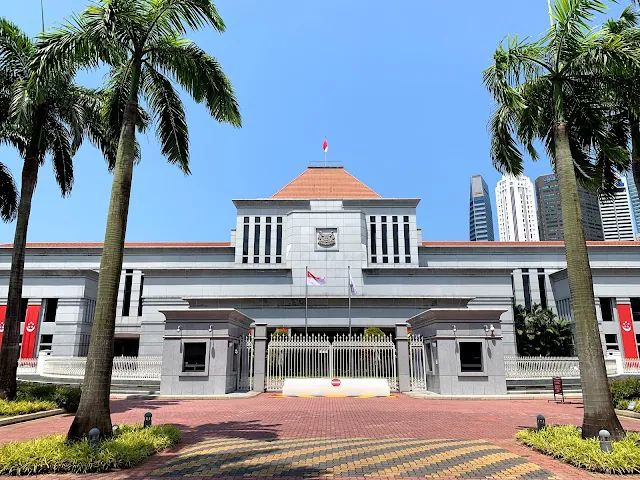
Chemical castration works by administering anti-androgen medication, either through injections or tablets, to suppress testosterone and reduce sexual arousal. Unlike surgical castration, its effects are reversible and last only as long as the treatment continues. A handful of countries already use the measure in some form. Germany and Denmark permit it on a voluntary basis, while Poland mandates it for certain offenders. South Korea, Estonia and Russia have also adopted versions of the practice, and Thailand has moved towards offering it to repeat offenders in exchange for reduced prison terms.
The parliamentary exchange comes against a backdrop of rising sexual offences in the city state. According to figures reported by The Straits Times, Singapore recorded 762 cases of molestation and 261 cases of rape in the first six months of 2026, a jump that has renewed public and political pressure on the government to act.
Beyond the question of chemical treatment, Shanmugam indicated that authorities may also widen background screening requirements for roles involving contact with children and young people. This could extend to voluntary screening within sectors that are currently unregulated. Senior Minister of State for Home Affairs Goh Pei Ming noted that existing checks already apply to positions such as full-time mosque staff, accredited religious teachers, school and preschool employees, and registered coaches.

Singapore already imposes severe penalties for serious sexual offences, including lengthy prison terms, fines and caning, with rape convictions carrying sentences of up to twenty years. Whether chemical castration is eventually adopted will likely hinge on further research into its deterrent value, an area where international results remain mixed. Critics elsewhere have questioned whether such treatments genuinely reduce reoffending or merely address the physiological rather than psychological drivers of sexual violence, and human rights groups in other jurisdictions have raised concerns about consent and proportionality when the measure is made compulsory rather than voluntary.
For now, the government's position leaves the door open without committing to a timeline, framing the decision as one that will follow the evidence rather than precede it.


