China's Rising AI Billionares
The global technology landscape is currently defined by a high stakes competition between the United States and China, with the latter minting a new generation of artificial intelligence billionaires who are rewriting the rules of the silicon race. A recent feature explores how this new cohort of entrepreneurs is navigating a complex web of geopolitical tension, stringent domestic regulation, and the insatiable demand for computational power. The new titans of Chinese AI are distinct from the internet moguls who preceded them. Where Jack Ma and Pony Ma built empires on e-commerce and social gaming, this generation is obsessed with the foundational layers of intelligence. They are the architects of the so-called Six Little Dragons and the pioneers behind sophisticated models, operating in a reality where staying ahead of Silicon Valley is not just a business goal but a matter of national survival.
The focus has shifted from general purpose chatbots to highly specialised applications. These elite Chinese startups have achieved unicorn status and beyond, propelled by billions in state backed investment and private venture capital. Unlike their predecessors, these founders are often scientists and engineers who have spent years in Western institutions before returning to Beijing or Shanghai. They are more comfortable with the rigours of deep tech than the flashy marketing of the early 2010s. A key driver of this wealth creation is the successful pivot to hardware and software integration. With international sanctions on high end chips remaining a persistent hurdle, Chinese billionaires have poured capital into domestic chipmaking units. The logic is simple: the person who controls the silicon controls the intelligence. This has led to a surge in valuations for companies that can produce viable alternatives to Western hardware, creating immense wealth for those at the helm of the domestic supply chain.

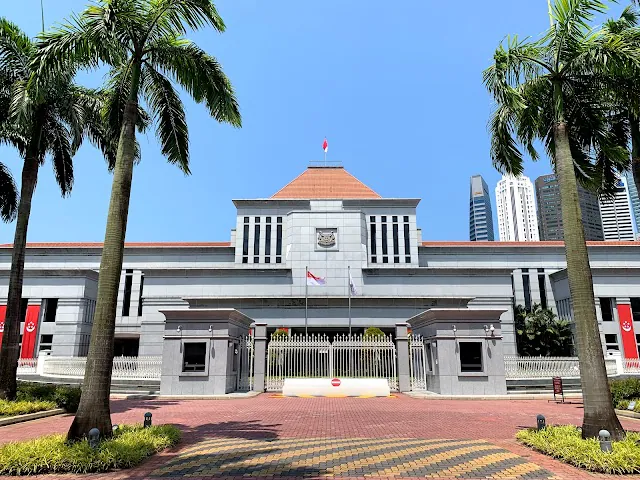
The current narrative is one of Darwinian thinning. While the total number of startups has decreased, the capital is concentrating into a few hands. Major players have reclaimed dominant positions with the launch of advanced AI video models that some analysts suggest surpass Western rivals in speed and cinematic quality. This success has not only boosted the net worth of executives but has also sparked a broader rally in Chinese tech stocks, minting millionaires overnight. However, the path to billionaire status in China is fraught with unique challenges. Founders must balance the pursuit of global standards with domestic requirements for specific social values in AI outputs. This regulatory tightrope has led some entrepreneurs to adopt a Singapore first strategy, headquartering their firms in the city state to maintain access to international markets while keeping their research hubs in mainland China.
One of the most significant constraints facing these billionaires is energy. The scaling of data centres has reached a point where power availability is the primary bottleneck. Those who have secured access to the nation's burgeoning green energy grid, including wind, solar, and nuclear, are finding themselves with a competitive edge that cannot be bought with capital alone. This has created a new class of energy and AI moguls who control both the brains and the brawn of the digital age. Furthermore, the relationship with Silicon Valley has entered a strange and symbiotic phase. Despite the rhetoric of decoupling, Western giants are reportedly eyeing Chinese startups for strategic partnerships or talent acquisition to bypass investment restrictions. This provides a lucrative exit strategy for Chinese founders, even if it complicates the geopolitical narrative.

The Chinese AI billionaire is a figure of immense influence but also significant vulnerability. They are the face of a nation’s technological ambition, yet they operate under the constant shadow of international sanctions and domestic oversight. As the AI arms race enters its most mature phase, these individuals are not just building companies; they are defining the future of how humanity interacts with machines. Whether they can truly outdo their Silicon Valley rivals remains to be seen, but their ascent marks a definitive shift in the global balance of power. The era of the generalist internet platform is over and the era of the sovereign AI powerhouse has arrived. These individuals represent a shift in the global economy where intelligence is the primary currency. Their success will likely determine the technological boundaries of the next decade, making them some of the most watched figures in global finance today.