Contracted Chaos & Corporate Gain
Updated: Oct 31, 2025
The world of war is changing once more. Private military companies — long dismissed as relics of colonial skirmishes or shadowy operations — are back in business. The industry, often described as “the mercenary world,” is experiencing a resurgence driven by geopolitical volatility, shrinking state militaries, and an abundance of skilled veterans looking for their next mission. The modern battlefield, once dominated by national armies, is increasingly being shaped by contracts, not commands.
The appeal of private soldiers is simple: flexibility, deniability, and efficiency. Governments grappling with overstretched forces and rising costs see these firms as a pragmatic alternative. They can be deployed quickly, carry out missions that might be politically sensitive, and be paid off when the job is done. For struggling states or corporations operating in conflict zones, private fighters provide a level of security that traditional military institutions can no longer guarantee.
At the same time, the demand side is expanding. From Africa’s resource-rich but unstable regions to the shattered landscapes of Ukraine, the market for private military expertise has exploded. Companies offer not only combat support but also logistics, cyber defence, intelligence gathering, and infrastructure protection. The modern mercenary does not just wield a rifle — he may fly a drone, guard a data centre, or rebuild a destroyed bridge. The business model has evolved from battlefield brutality to corporate professionalism.

The supply, too, is abundant. The post-Afghanistan and post-Ukraine eras have produced thousands of well-trained soldiers, pilots, and intelligence experts seeking opportunities. For many veterans, private contracting offers purpose, camaraderie, and pay far above government salaries. The result is an industry flush with experienced manpower — an army for hire, ready to deploy wherever contracts call.
Yet this revival raises profound moral and political questions. Who holds these private armies accountable? When soldiers serve contracts instead of constitutions, the line between national interest and private profit blurs. The mercenary trade, though professionalised, remains fundamentally built on conflict as commerce. Every war becomes a market, every peace an interruption of business.
Critics argue that this commodification of conflict threatens the moral order of warfare. State militaries, however imperfect, operate under laws, uniforms, and oaths of allegiance. Private firms operate under contracts, insurance clauses, and non-disclosure agreements. When accountability is outsourced, so too is responsibility. Atrocities can be buried under layers of subcontractors, and the fog of war becomes a cover for impunity.
Still, defenders of the industry claim that private firms have learned from the excesses of the past. Today’s leading companies operate with corporate boards, legal departments, and training standards that rival those of regular armies. Many have codes of conduct aligned with international law, and their operational records in some theatres show fewer civilian casualties than state forces. In a world where warfare has become hybrid — part cyber, part psychological, part kinetic — these firms can adapt faster than traditional bureaucracies.
The economics also make sense for clients.
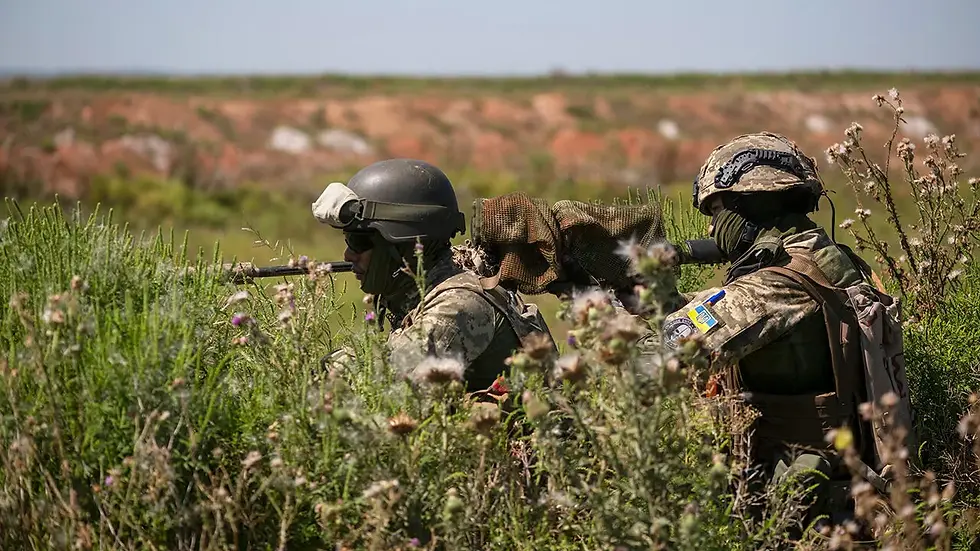
Maintaining a standing army is enormously expensive; private contractors can be hired, used, and released as needed. For countries hesitant to commit troops, PMCs offer a politically safer way to project power without the risk of public backlash. The same logic applies to corporations safeguarding mining sites, shipping routes, or data centres in dangerous territories.
However, this flexibility comes at a price. A country that relies too heavily on private soldiers risks diluting its monopoly on violence — a cornerstone of sovereignty. Wars may become easier to start when they can be fought by cheque rather than by conscription. Conflicts might drag on, incentivised by firms whose profits depend on instability. The very logic of capitalism, when applied to war, makes peace bad for business.
The next boom in this industry will likely centre on post-conflict zones such as Ukraine, where rebuilding and securing infrastructure will demand armies of engineers, guards, and specialists. What began as battlefield contracting may evolve into a form of privatised reconstruction — war’s economic afterlife. From bodyguards to builders, PMCs are positioning themselves as indispensable partners in both destruction and recovery.
In the coming decade, the mercenary business will test the boundaries of modern warfare and international law. Its expansion reflects a deeper truth: that the state’s grip on organised violence is loosening, replaced by a global market for force. As technology, profit, and politics intertwine, the traditional soldier is no longer the only one shaping the fate of nations. The private warrior — trained, contracted, and unbound by flag — is once again marching to the front lines of history.